
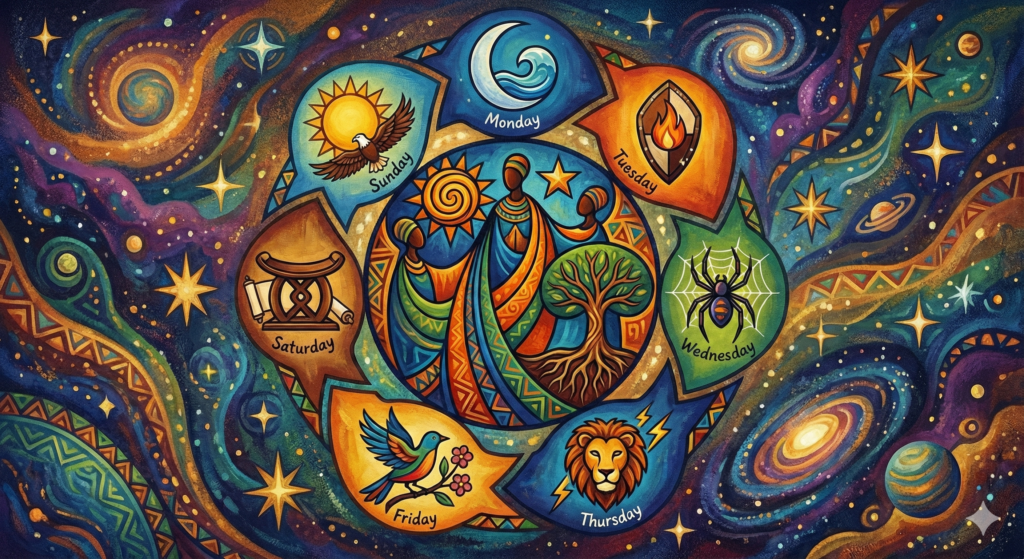
In many parts of the world, a name is chosen for its sound, a family connection, or a specific meaning. In Ghana—particularly among the Akan people—your name is often determined by the very moment you entered the world. This unique tradition, known as “day naming,” provides every individual with a “soul name” that connects them to the cosmos and their ancestors.
The History of Ghanaian Naming
The practice of day naming is most deeply rooted in the Akan culture, the largest ethnic group in Ghana. Historically, the Akan believed that the day a person is born is not a coincidence but a spiritual assignment. Each day of the week is governed by a specific deity or “deity of the day” (Kronton), and the child is believed to inherit the character traits associated with that day’s spirit.
While Western colonization and the spread of Christianity and Islam introduced surnames and biblical names, the day-naming tradition has remained a steadfast pillar of Ghanaian identity, surviving centuries of cultural shifts.
The Method: The Soul Name
In Ghana, a person typically has multiple names, but the Kradin (soul name) is the most fundamental.
- The Gender Factor: Names differ based on whether the child is male or female.
- The Day Factor: There are seven pairs of names, one for each day of the week.
- The Order Factor: If you are a twin or the third child in a row of the same gender, you may receive additional names (like Panyin or Kakra).
Step-by-Step: How to Break Down a Ghanaian Name
If you meet someone from Ghana, you can often “decode” their identity by following these steps:
- Identify the Day Name: Look for names like Kofi, Kwame, or Ama. This tells you exactly which day of the week they were born.
- Check for Sequential Names: Names like Manus (firstborn) or Annan (fourth born) indicate their birth order.
- Look for the Family Name: Usually the last name, this connects them to their paternal or maternal lineage.
- Note “Christian” or “Middle” Names: Many Ghanaians have English or biblical names (like Samuel or Elizabeth) used for official or religious purposes.
Example: Kwame Anthony Appiah
- Kwame: Born on a Saturday.
- Anthony: Christian/Baptismal name.
- Appiah: Family/Surname.
The Seven Soul Names and Their Meanings
- Monday: Male: Kwadwo | Female: Adwoa (Attribute: Peaceable / Calm)
- Tuesday: Male: Kwabena | Female: Abena (Attribute: Friendly / Protective)
- Wednesday: Male: Kwaku | Female: Akua (Attribute: Disciplined / Determined)
- Thursday: Male: Yaw | Female: Yaa (Attribute: Brave / Bold)
- Friday: Male: Kofi | Female: Afia (Attribute: Creative / Wanderer)
- Saturday: Male: Kwame | Female: Ama (Attribute: Ancient / Wise)
- Sunday: Male: Kwesi | Female: Akosua (Attribute: Agile / Leader)
Connection to West Africa and the Diaspora
This naming convention isn’t exclusive to Ghana. You will find similar structures among the Ivory Coast (Baoulé) and parts of Togo and Benin.
Perhaps most significantly, this tradition traveled across the Atlantic during the Transatlantic Slave Trade. In the Caribbean and the Americas, historical records show enslaved people fighting to keep their day names as a form of resistance. Names like Cudjoe (Kwadwo) and Quacko (Kwaku) appear frequently in Jamaican and Surinamese history, marking a lasting link to West African roots.
Global Parallels: Who Else Does This?
While the specific Akan names are unique, the concept of naming based on birth circumstances exists in other cultures:
- Thailand: It is common for people to have “day of the week” colors and specific names associated with their birth day to ensure good luck.
- Bali (Indonesia): Use a birth-order naming system (Wayan, Made, Nyoman, Ketut) that repeats regardless of gender.
- Latin America: Historically, children were often named after the Saint whose feast day coincided with their birthday.
Conclusion
A Ghanaian name is more than just a label; it is a map of a person’s beginning. It tells the story of the day they arrived, the spirit they carry, and the family they belong to. In a world that is becoming increasingly homogenized, the persistence of the day-naming tradition serves as a beautiful reminder of the power of cultural heritage and the significance of time.
Ready to Find Your Ghanaian Name?
If you want to go beyond the basics and discover exactly how you fit into this beautiful tradition, we highly recommend watching How To Make Your Own Ghanaian Akan Name by the Indigenous Foreigner Show. This practical guide will walk you through the nuances of the naming process so you can claim your own “soul name” with confidence.
In this video, you will explore:
- The Outdooring Ceremony: Learn about the ritual where a child is introduced to the community for the first time.
- The Virtues of Naming: Discover why children are traditionally given water and alcohol during their naming to symbolize the importance of honesty.
- Twin Naming: Understand the specific names reserved for twins, such as Atta Panyin and Atta Kakra.
- Beyond the Day Name: A detailed breakdown of names for birth order, covering the firstborn all the way to the twelfth child.
- Special Circumstances: How being born on a holiday like Christmas can influence your name.
“Video: How To Make Your Own Ghanaian Akan Name:
Indigenous Foreigner Show“